Safe Pass and CSCS Card requirements for construction jobs in Ireland and the UK. Our revised edition (2026) of the guide explains some of the legal requirements for working in a construction job in Ireland, or in the UK.

In a series of articles, we cover topics of interest for those already involved in construction, or for those hoping to make a career in the construction industry. At whatever point in your career, you find yourself at, we hope you find them useful.

Regardless of your levels of experience, there are a few ‘must-haves’, before being able to start a job in construction or enter a construction site. Although these may differ, depending on your role and where you are working, they are there for the same reasons. 
  • To keep you and everyone else safe on site 
  • To ensure that you have the proper qualifications for the job at hand


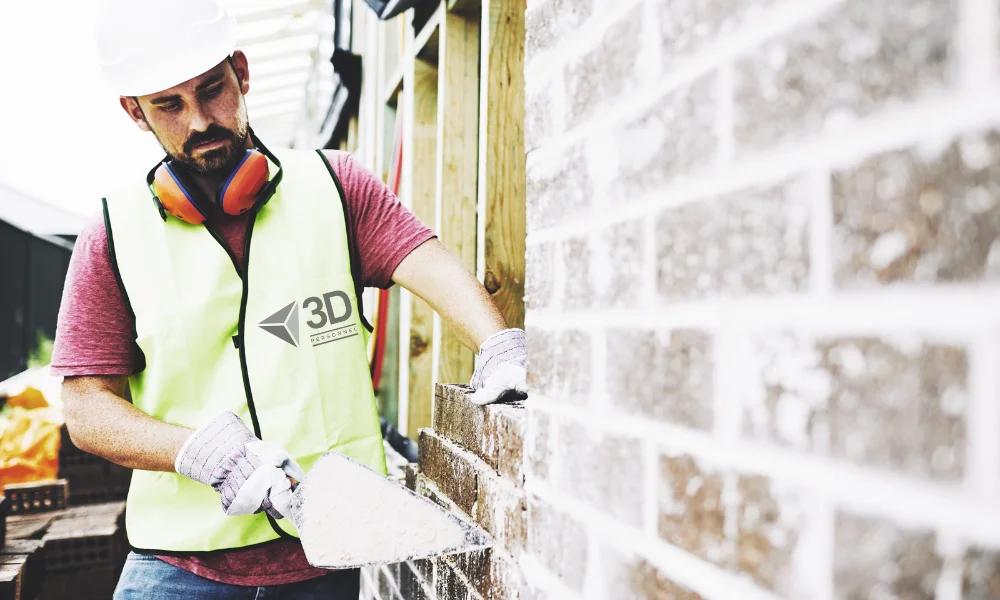
3D Personnel block layer on site


Below we list the various requirements for

Ireland

  • Read on to learn about the mandatory and role‑specific certifications required for construction work in Ireland

Northern Ireland

  • Northern Ireland uses the CSR system, which differs from both Safe Pass and the UK's CSCS

UK

  • The UK uses CSCS for general site access and CPCS/NPORS for plant operations


We go into greater detail with some certifications, including details on cost, validity and the process for getting your certificate. This 3D guide covers:
  • Safe Pass (Ireland)
  • CSCS Card (Ireland & UK)
  • CSR (Northern Ireland)
  • CPCS, NPORS, NVQ, SMSTS/SSSTS (UK)
  • Mandatory and role‑specific training
  • Updated prices, processes, validity and renewal rules
  • A full comparison table (Ireland vs NI vs UK) ⤵️


3D Personnel operatives on site

A summary of the various requirements | cards needed for construction sites in Ireland and the UK

In the table below we compare the various construction site requirements and/or cards for Ireland and the UK. 

Comparison Table: Ireland vs Northern Ireland vs UK (2026)

Requirement | Card
Ireland
Northern Ireland
UK


General Site AccessSafe PassCSRCSCS
Cost (2026)€120 - €170£120 - £130£36 + £25 Test
Validity4 years4 years5 years
Plant | MachinerySOLAS CSCSCPCS or NPORS (CSR covers H&S only)CPCS or NPORS
Mutual RecognitionSafe Pass CSRCSR CSCS (limited)CSCS only
On-line RenewalYes (Safe Pass)NoNo
Manager TrainingIOSH | CIF coursesCSR SupervisorSMSTS | SSSTS
NVQ RequiredNo (Irish system uses CSCS categories)NoYes (for skilled cards)


Aeriel view of Boland Quay site in Dublin

Construction Jobs in Ireland usually require a Safe Pass and may require a SOLAS CSCS Card

In the Republic of Ireland, there are several certificates required for working in construction, depending on your role. These include: 
  1. Safe Pass: This is a mandatory safety training program required for all construction jobs in Ireland. It covers topics such as health and safety regulations, risk assessment, and emergency procedures.
  2. SOLAS CSCS Card (Construction Skills Certification Scheme): This card verifies an individual's qualifications and training in the construction industry.
  3. Manual Handling: Required for workers who will be involved in manual handling tasks, such as lifting and carrying heavy loads.
  4. Confined Spaces: Required for workers who will be working in confined spaces, such as manholes or underground tunnels.
  5. Excavation Safety: Required for workers who will be involved in excavation work, such as digging trenches or foundations.
  6. Scaffolding Safety: Required for workers who will be erecting or dismantling scaffolding.
  7. Asbestos Awareness: Required for workers who may come into contact with asbestos during their work.
  8. Electrical Safety Awareness: Required for workers who will be working with electricity, such as electricians or those installing electrical equipment.
  9. First Aid: Required for workers who will be providing first aid on a construction site.
  10. Abrasive Wheels: Required for workers who will be using abrasive wheels, such as angle grinders or cut-off saws.
  11. Airport ID Badge: For Construction roles at Dublin Airport, individuals must have a valid Airport ID badge, which is issued by the Dublin Airport Authority (DAA). This involves completing a security clearance process, including a background check, fingerprinting, and a security awareness training course. The vetting process can now take 2 - 6 weeks, depending on background checks.


SafePass card graphic

Safe Pass 

The cost of a SOLAS Safe Pass course in Ireland is usually between €120 - €170. This fee is subject to change and may vary depending on the location and the training provider. It is important to check the cost with the training provider before committing to taking the course with them. 

As the Safe Pass is a requirement for all construction jobs in Ireland, look at it as an investment in your career in construction. 

The steps for getting your Safe Pass are as follows: 

  1. The first step in getting a safe pass is to register for the course. This can be done online or in person at a training centre. You can use the SOLAS course search function to find a course that suits you. 
  2. Once you have registered for the course, you will need to attend the training in person. The course typically lasts for one day and covers topics such as health and safety legislation, risk assessment, and emergency procedures. 
  3. After completing the course, you will need to pass a written exam. The exam is multiple-choice and covers the material covered during the training. 
  4. Once you have passed the written exam, you will receive a Safe Pass card. This card is valid for four years and must be renewed before it expires. 
  5. After four years, you will need to renew your Safe Pass card. 
  6. There are 2 options for Safe Pass renewal in 2026. You can complete the Safe Pass - day course again and pass the written exam. Alternatively, you can use the shorter on-line portal option described in the next section. 
  7. Once you have your Safe Pass card, you must wear it at all times when working on a construction site and keep it safe. This allows site managers to verify that you have completed the necessary training and are qualified to work on the site.


Solas logo

SOLAS

SOLAS is the Irish State Agency that oversees the Further Education and Training (FET) sector in Ireland. They manage 21 Construction Skills programmes, 14 Quarrying Skills programmes and the Safe Pass programme. All courses are designed to improve health and safety and to help ensure sectors have access to a workforce with leading-edge construction and quarrying skills. 

SOLAS introduced a popular alternative option for renewal of Safe Pass cards in January 2023. It consists of a learner portal with relevant learning materials, and a test taken at a registered exam centre (Pearson VUE - Search for Test Centre). This exam option takes 45 minutes (50 multiple-choice questions, 45 of which must be answered correctly) versus the full day normally required for the full course. 

The cost for Safe Pass renewal in 2026, using this method is currently €93.84, which includes the fee for the new Safe Pass card. Fees are reviewed periodically by SOLAS, so always check the current rate.


Introducing the alternative Safe Pass renewal option

Speaking at the launch of this initiative back in December 2022, current Government Minister for Finance, Simon Harris said: 

Having this streamlined option for Safe Pass renewal is a simple but highly effective way of removing some of the barriers facing construction workers. 

Over 30,000 people will avail of this option within the first 12 months of the programme going live. And that’s just the start, as we see increasing numbers of Safe Pass applications all the time. 

This is part of a number of reforms we intend to take over the next few months as we continue to promote careers in our construction sector.

Download pdf on how to register for an Irish SOLAS online account for Safe Pass Renewal
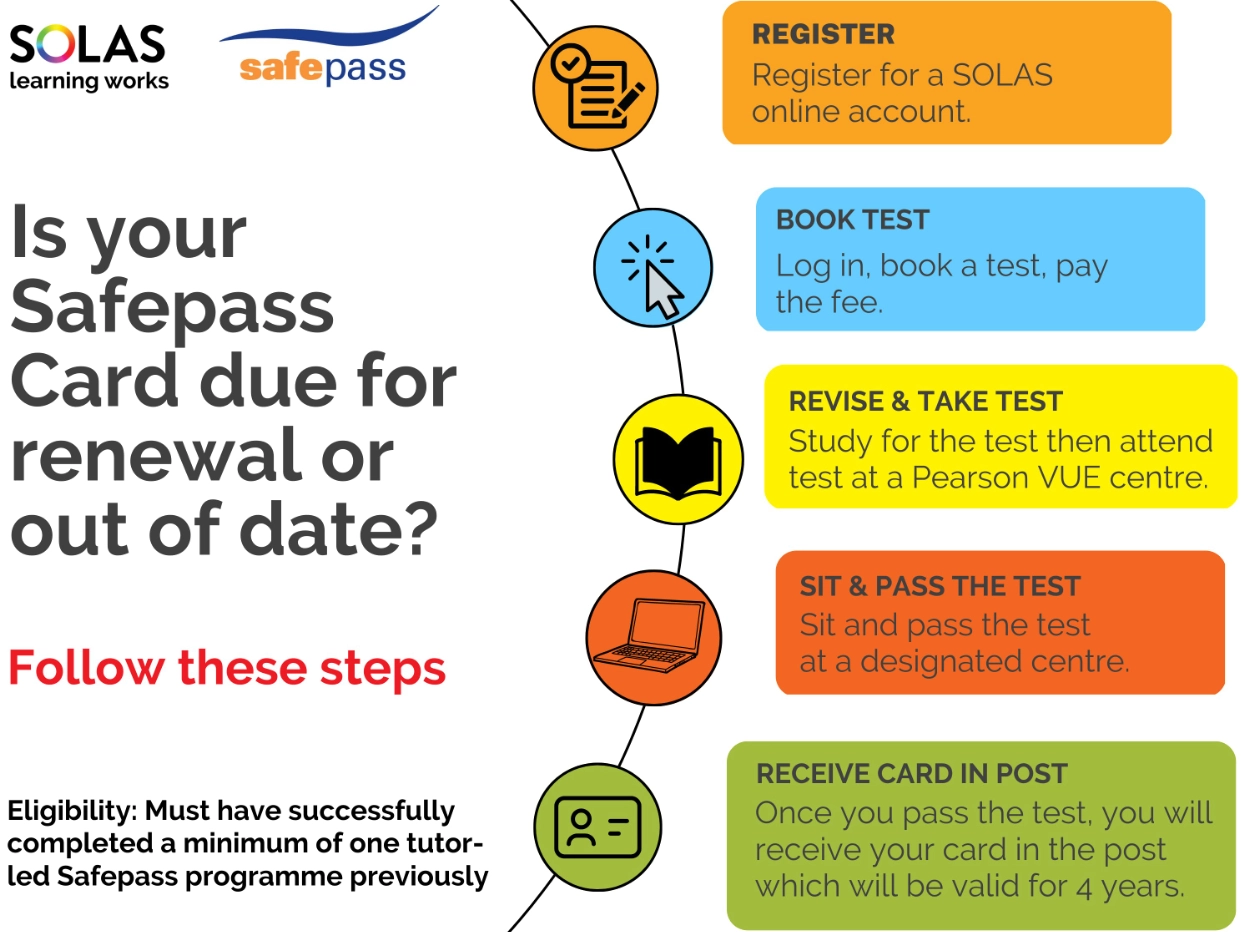
Graphic - Safe Pass renewal process 2026Graphic - Safe Pass renewal process 2026


Safe Pass Renewal 2026 - Take a test run at it!

Solas in conjunction with CIF (Construction Industry Federation) have introduced an official online Revision Portal for anyone preparing to take a Safe Pass renewal test in 2026, at any of the Pearson VUE centres in Ireland. This site offers realistic mock up tests, which are based on the real test. 


Despite the difference in cost and the extra time involved, the full Irish Safe Pass one-day course remains very popular for renewals amongst construction workers in Ireland.


A Slinger operating on a construction site

CSCS Card - Ireland 

The Irish CSCS scheme, overseen by SOLAS, continues to be the national standard for proving competence in plant operations and high‑risk construction activities. 

Updated Irish CSCS Card Categories (2026)

SOLAS now lists 21 Construction Skills and 14 Quarrying Skills categories. Some of the most commonly required Irish CSCS categories include:

  • 360° Excavator
  • Articulated Dumper
  • Site Dumper
  • Teleporter / Telescopic Handler
  • Mobile Crane
  • Crawler Crane
  • Scaffolding (Basic & Advanced)
  • Signing, Lighting & Guarding (SLG)
  • Locating Underground Services
  • Shot Firing (Quarrying)
  • Slinger / Signaller

Other important non-SCSC category courses in Ireland include:

  • Abrasive Wheels (short course)
  • MEWP (Mobile Elevated Work Platform) - usually delivered as an IPAF or equivalent course

Many of these Irish CSCS categories have been updated with revised training hours, refreshed learning outcomes, and stricter assessment criteria.
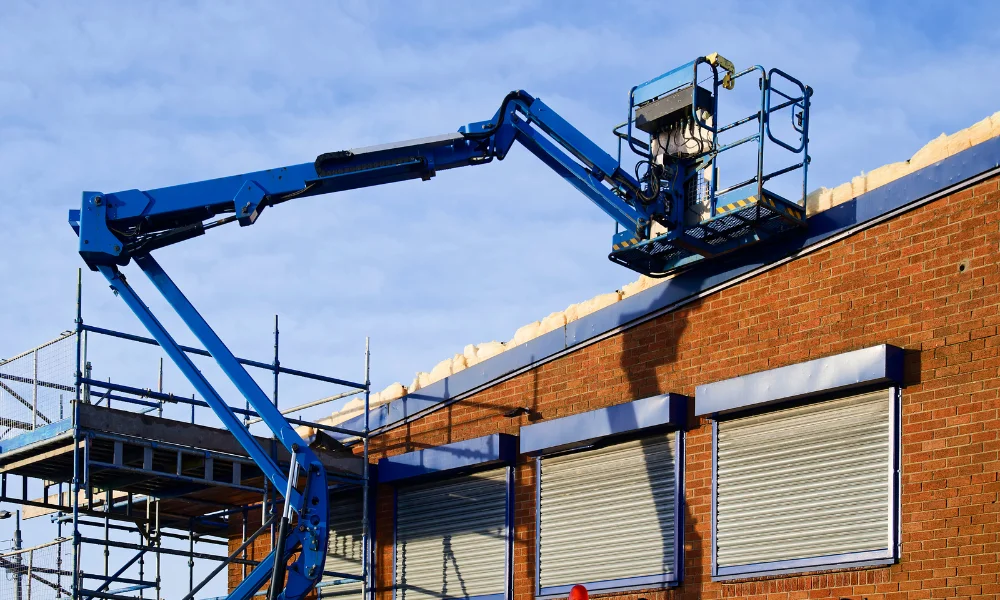

A MEWP being operated on site

Increased Emphasis on Competency Based Assessment

SOLAS has strengthened the CSCS assessment model to ensure workers demonstrate real‑world competence, not just theoretical knowledge. Key updates include:

  • Mandatory practical assessments for all plant and machinery categories
  • Performance‑based criteria aligned with current industry safety standards
  • Stricter evidence requirements for experienced operator (EO) applications
  • Assessor accreditation tightening, ensuring only approved assessors can sign off on competence
  • Greater focus on hazard awareness, including proximity risks, underground services, and exclusion zones

This shift reflects the wider industry move toward competency over attendance, ensuring operators can safely perform tasks on live construction sites.


Construction training in practice

Training & Assessment Pathways (2026)

Workers can enter the Irish CSCS system through two main routes:

1.  New Entrant Route

  • Classroom theory + practical training
  • On‑site experience logbook
  • Final practical assessment

2.  Experienced Operator Route (EO)

  • Evidence of prior experience (minimum hours vary by category)
  • Employer endorsement
  • Practical assessment only

SOLAS has tightened EO requirements to prevent misuse — applicants must now provide verifiable experience, and assessors must confirm competence through a structured scoring system.


Digital Verification & Card Checking

Unlike the UK CSCS Smart Check system, SOLAS does not currently offer an online card‑checker for Safe Pass or CSCS cards. Verification is carried out by physically inspecting the card on site. Safe Pass renewal can be completed online, but the card itself remains a physical document.

For further information on the Irish version of the SOLAS CSCS Card and how to obtain it, please visit the SOLAS site. The site also allows you to check that a company or tutor has been approved by SOLAS. 
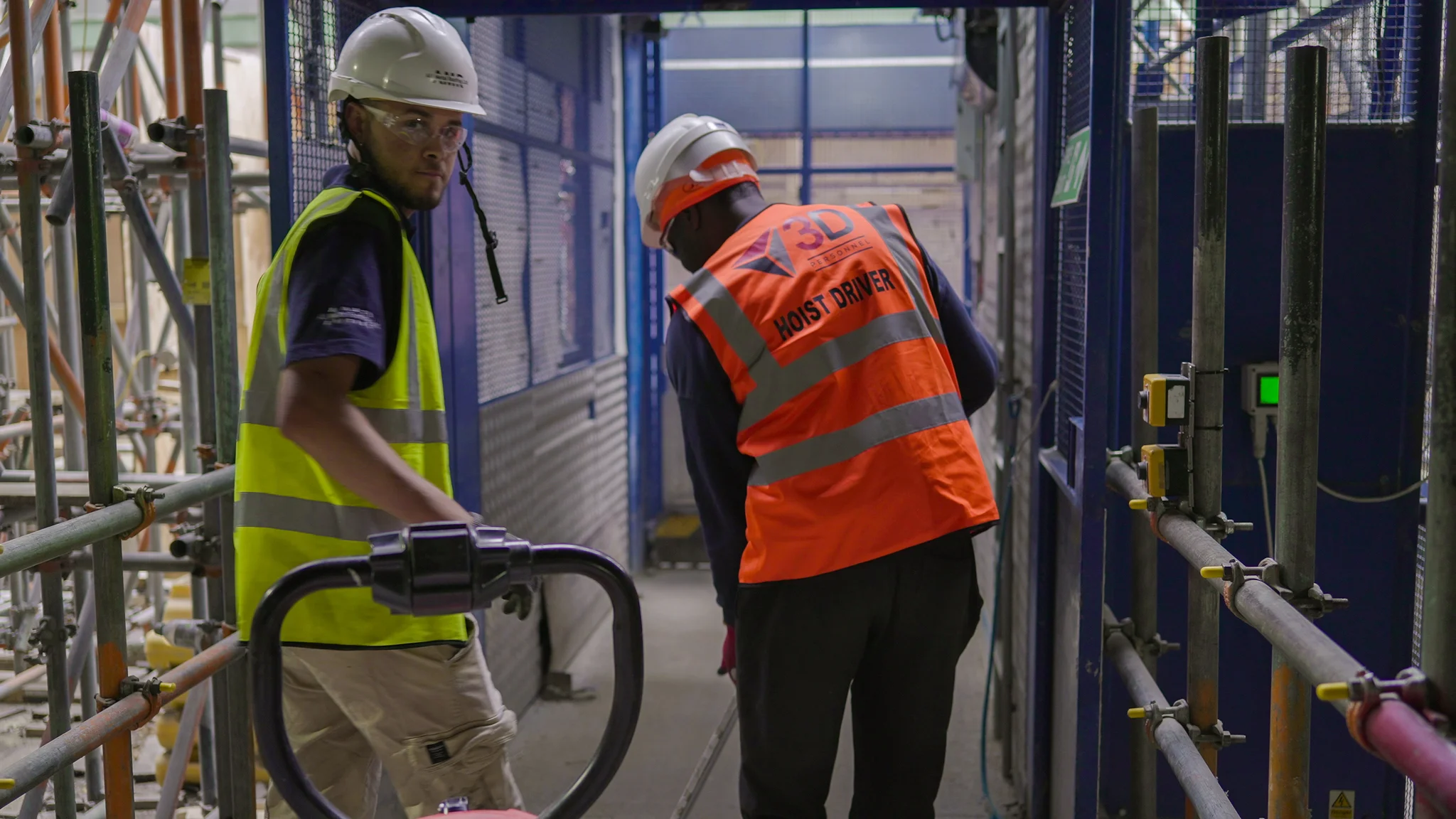

A hoist driver and operative on a construction site

Manual Handling

The steps for getting your Manual Handling certificate are as follows: 

  1. Have a look at the different training providers and courses available. Look for providers that offer courses that are specific to the construction industry and to your job role. 
  2. Once you have found a course that suits your needs, reserve it, and pay the necessary fees. 
  3. The course will typically include both theoretical and practical components and may include a written exam. During the course, you will learn about safe manual handling techniques. You will be given the opportunity to practice them in a controlled environment. 
  4. Once you have completed the course and passed the exam, you will be awarded a manual handling certificate. 
  5. Manual handling certificates are typically valid for 3 years, but many employers now require annual refreshers. Be sure to check the expiration date of your certificate and take the necessary steps to renew it before it expires. 
  6. Some organizations may require employees to retake the manual handling course periodically, especially if the employee has not handled any materials for a long time.


To talk to one of our Team about Construction opportunities in Ireland feel free reach out to us below



The famous H&W cranes at sunset in Belfast

Construction site requirements for work in Northern Ireland

Construction Skills Register (CSR) logo

CSR Card or Safe Pass can be used for Construction Jobs in Northern Ireland 

In Northern Ireland a different regulatory situation applies. The Construction Skills Register (CSR) Card is the equivalent of the CSCS Card in the UK. It is implemented by the CEF (Construction Employers Federation). The Construction Skills Register is a register of construction workers who have completed the industry approved CSR health and safety training course and assessment. The card requires renewal every four years and has an approximate cost of between £120 - £130, depending on the provider. A list of accredited training providers can be found here

The CRS has signed an Affiliation Agreement with CSCS in the UK, and as such CSR cards should be accepted on sites in the UK. However, some UK principal contractors now require UK CSCS specifically, especially on large infrastructure projects. CSR cards are still recognised under the CSCS Alliance members scheme, but acceptance varies by contractor.

Likewise, the UK CSCS card is normally accepted in Northern Ireland. As always, the best advice is to check with the site beforehand. 

Similarly, CSR has signed a mutual recognition agreement with SOLAS, which means the CSR one day health and safety course is the only course recognised as equivalent to the SOLAS Safe Pass course in the Republic of Ireland. 

The SOLAS Safe Pass card should also be accepted on sites in Northern Ireland. However, some NI sites now require CSR + role‑specific training (e.g., Working at Heights).


To talk to one of our Team about Construction opportunities in Northern Ireland feel free to reach out to us below



3D Personnel fleet vehicle drives by Camden Market

Construction job requirements in the UK include a CSCS Card 

In the UK, there are several certificates required for working in construction, depending on the role involved. These include: 

  1. CSCS Card (Construction Skills Certification Scheme): This is a mandatory certification required for anyone working on a construction site in the UK. It verifies that the holder has the necessary skills, knowledge and training to work safely and efficiently on a construction site.
  2. CPCS Card (Construction Plant Competence Scheme): This certification is required for anyone operating construction plant equipment such as cranes, excavators, and forklifts. It verifies that the holder has undergone the necessary training to operate the equipment safely.
  3. NPORS (National Plant Operators Registration Scheme): A widely accepted alternative to CPCS for plant and machinery operations.
  4. NVQ (National Vocational Qualification): This is a vocational qualification that verifies the holder has the knowledge and skills required to perform a specific trade or occupation in the construction industry.
  5. NEBOSH (National Examination Board in Occupational Safety and Health): This is a health and safety certification that verifies the holder has the knowledge and skills required to identify and manage risks in the workplace.
  6. SMSTS (Site Management Safety Training Scheme) SSSTS (Site Supervision Safety Training Scheme): These management-level and supervisory-level health and safety certifications verifies the holder has the knowledge and skills required to oversee health and safety on a construction site.


Short Courses commonly required on UK construction sites

In addition to the core certifications listed above, most UK construction sites also require a range of short courses to ensure workers can carry out tasks safely and in compliance with HSE regulations.

  1. Working at Height: Required for anyone working above ground level, including the use of ladders, towers, scaffolds, or access equipment.
  2. Fire Safety Awareness Fire Warden: Covers fire prevention, evacuation procedures, and site-specific fire risks. Often required for general operatives and supervisors. Refreshed every 3 years, with Fire Warden training sometimes required annually depending on the contractor. 
  3. Manual Handling: Required for workers involved in lifting, carrying, or moving loads. Valid for 3 years, though many UK contractors expect annual refreshers.
  4. Abrasive Wheels: Required for anyone using grinders, cut-off saws, or similar equipment. Covers mounting, dressing, storing and using abrasive wheels safely.
  5. Confined Spaces (Low / Medium / High Risk): Required for workers entering manholes, chambers, tanks, or restricted areas. Training level (Low, Medium, High Risk) depends on the type of confined space and the hazards involved.
  6. First Aid at Work (EFAW FAW): This is a certification that verifies the holder has the knowledge and skills required to provide first aid in the event of an emergency on a construction site. Required for all designated first aiders on UK construction sites. E(mergency)FAW is a 1‑day course; FAW is a 3‑day advanced course.
  7. Asbestos Awareness: This is a certification that verifies the holder has the knowledge and skills required to safely identify and handle asbestos, a dangerous material commonly found in older buildings. Typically delivered through UKATA or IATP-approved providers.
  8. IPAF (MEWP – Mobile Elevated Work Platforms): Covers the safe use of scissor lifts, boom lifts, and other powered access equipment. This is the UK equivalent of Ireland’s MEWP/IPAF training.


These short courses are widely required across UK construction sites and are often mandatory for specific roles, tasks or contractor requirements.

CSCS Card logo

CSCS Card UK 

As the CSCS Card is a requirement for all construction site jobs in the UK, look at it as an investment in your career in construction. 

As of 31 December 2024, the CLC has fully phased out Industry Accreditation (“grandfather rights”).

  • All cards must now be qualification‑based (NVQ or equivalent)
  • Temporary cards have stricter expiry rules
  • CSCS Smart Check can be used to verify all 2.3 million cards displaying the CSCS logo


Construction site engineer reading a report

The steps for getting your CSCS Card are as follows:

  1. Determine which CSCS card is appropriate for your occupation and qualifications. There are several different types of CSCS cards available. These include the Labourer card, the Skilled Worker card, and the Supervisor card. 
  2. You will need to meet the eligibility requirements for the card you have chosen. This may include having a certain level of qualifications, or training, or having a certain amount of experience in your field. 
  3. Complete the relevant CITB health, safety and environment test. This is a multiple-choice test that covers health and safety knowledge and regulations related to your occupation. 
  4. Once you have passed your test, apply for your CSCS card by filling out an application form and providing any necessary documentation. This may include proof of your qualifications, training, and experience. 
  5. Pay the relevant fee for your CSCS card. The fee for a CSCS card can vary depending on the type of card you are applying for. The current cost of a CSCS card is £36 while a CITB HS&E test costs £25.00. It is important to note that these prices are subject to change. It's always best to check with the official CSCS website to ensure you are getting the most accurate and up-to-date prices. 
  6. You will need to wait for your CSCS card to be processed and issued. This can take up to several weeks. 
  7. My CSCS is a digital skills passport, allowing for application, renewal and storage of the digital card for site access.
  8. Once you receive your CSCS card, make sure to keep it up to date by renewing it every five years. This involves passing the CITB Health, Safety and Environment test again and paying the relevant fee.

For a list of CSCS related 'Frequently Asked Questions' please visit the CSCS FAQ page.
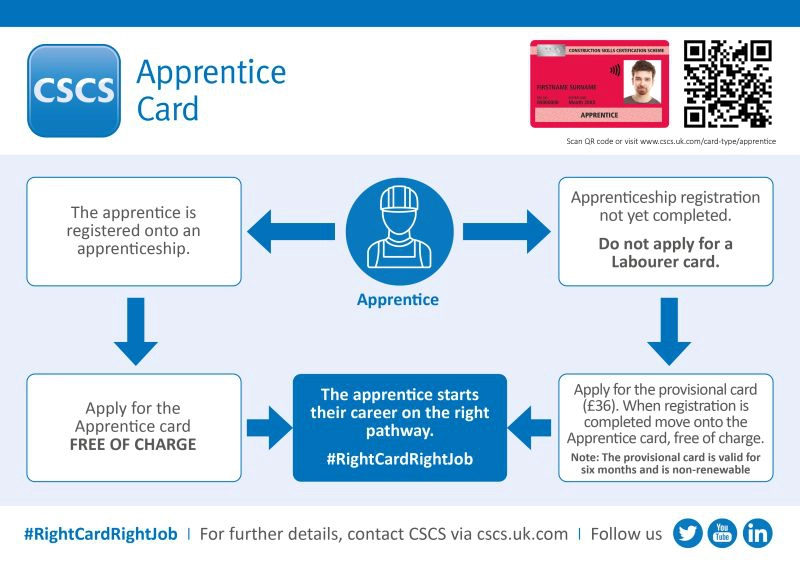

CSCS Apprentice Card graphic

CSCS UK - Apprentice Card

If you are considering a construction apprenticeship in the UK, then a great starting point is the CSCS Apprentice Card scheme. CSCS Apprentice cards are issued free of charge via the official application service at CSCS to help support the industry’s next generation and ensure they start their career on the right card for the job they do on site. 

Apprentice card holders are expected to complete their apprenticeship by the time the card expires (within 6 months) and apply for a skilled CSCS card.

CPCS Job Card logo

CPCS Card

The steps for getting your CPCS Card (Construction Plant Competence Scheme) are as follows: 

  1. Investigate the type of CPCS card you need for the type of work you will be doing. There are different cards for different types of equipment and machinery. 
  2. Look for a training provider that offers the CPCS training course you need. It is important to ensure that the training provider is accredited by CPCS. 
  3. Attend the training course and complete it to the required standard. This will typically involve both theoretical and practical training. 
  4. Once you have completed the training, you will need to pass a health and safety test. This will assess your knowledge of safe working practices and your understanding of the relevant legislation. 
  5. After passing the health and safety test, you will need to take a practical test on the specific type of equipment or machinery you will be using. 
  6. Once you have passed both the health and safety test and the practical test, you can apply for your CPCS card. This will typically involve filling out an application form and providing proof of your qualifications and training. 
  7. CPCS cards must be renewed every 5 years, and the holder must have completed the required number of hours of training and passed the relevant tests.

The cost of a CPCS card in 2026 in the UK varies depending on the type of card and the category of work the cardholder is qualified to perform. Currently, typical costs for a CPCS card in 2026 range between £600 to £900, depending on category. NPORS is now widely accepted as a CPCS alternative on many UK sites. 

A CITB levy paying employer can avail of a grant of up to £470 off the cost. Similar grants are available for some NVQ and NEBOSH certificates. 

It is important to note that some training providers may also charge additional fees for training or assessment. It is best to check with specific training providers for the most up-to-date pricing. 

City & Guilds NVQ logo

NVQ (National Vocational Qualification) 

The steps for getting your NVQ are as follows: 
  1. Before starting the process of getting a Construction NVQ in the UK, it is important to assess your qualifications and experience in the field. This will help you determine which level of NVQ is most appropriate for you. It will also help with understanding which qualifications you will need in order to be eligible. 
  2. You will need to find a training provider that offers the NVQ you are interested in. There are many providers in the UK that offer a wide range of NVQs. It is important to do some research and find one that is reputable and has a good track record. 
  3. Remote assessment is common but must be with an accredited provider
  4. Once you have found a suitable training provider, you will need to sign up for the course and pay any required fees. 
  5. Once enrolled on the course, you will need to complete the required number of hours of training and assessments. This will involve attending classes, completing assignments, and taking exams. 
  6. Having completed the course, you will be awarded your NVQ. You will receive a certificate that verifies your level of competence in the field.
  7. Please note that there is increased auditing of fast-track NVQs. Fast‑track NVQs (completed in under 4–6 weeks) are now heavily scrutinised.
  8. It is important to keep your NVQ valid by continuing to work in the construction industry and updating your knowledge and skills. This will help you maintain your competence in the field. It will also ensure that your NVQ continues to be recognized by employers.


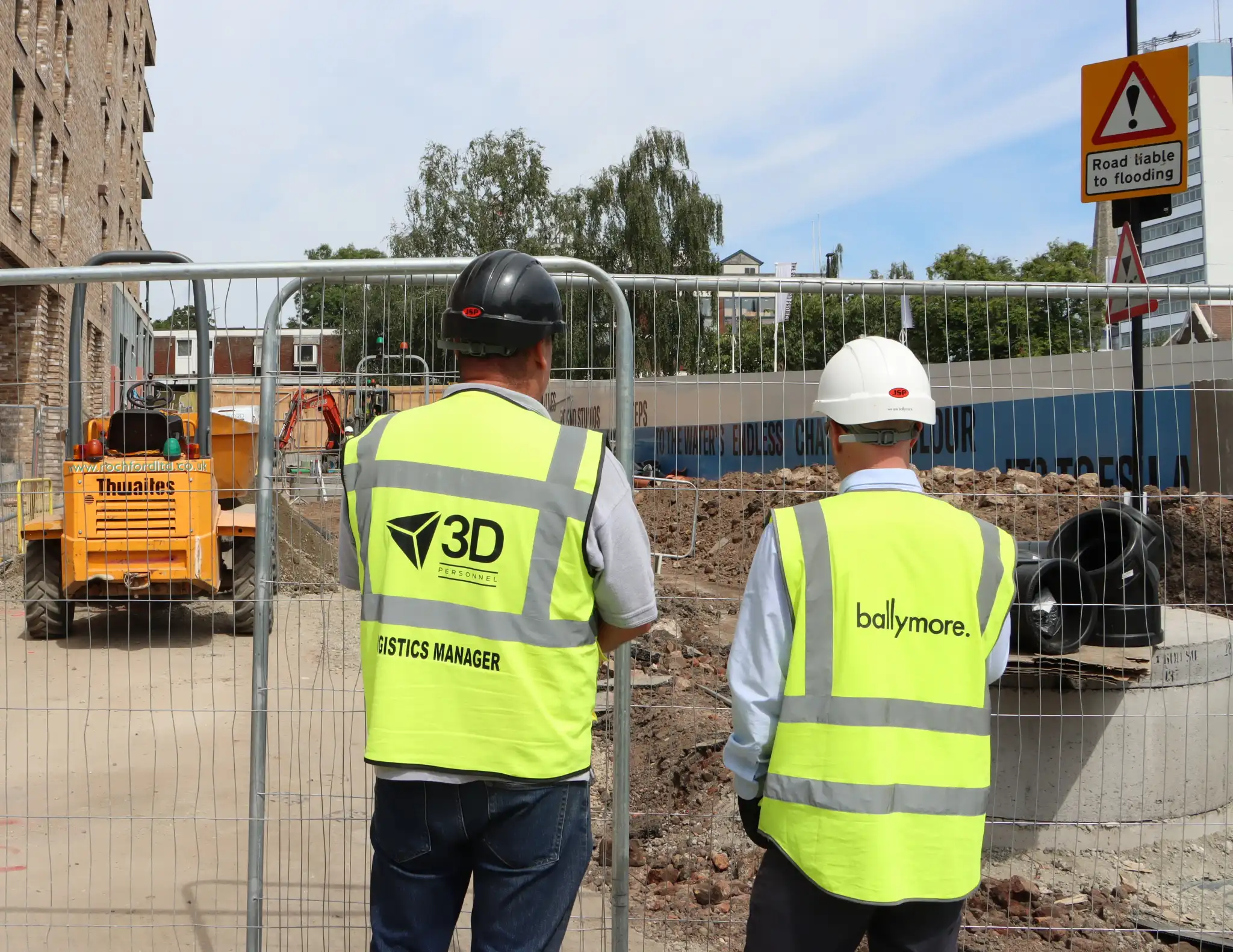
3D Personnel and Ballymore managers at construction site

SMSTS (Site Management Safety Training Scheme) | SSSTS (Site Supervision Safety Training Scheme): 

These health and safety certificate courses help verify that the holder has the knowledge and skills required to oversee health and safety on a construction site.

  • Both require renewal every 5 years
  • Many principal contractors now require them for supervisory roles
  • Online SMSTS | SSSTS delivery is now permanent, not temporary (post‑COVID)


Sundial Training Resources logo

3D Personnel partner with Sundial Training for our UK Short Course requirements

If our teams need to arrange for short course training for some of our site operatives in the UK, we work with Sundial Training Resources to arrange this. They currently offer the following short online training options:

  • IATP Asbestos Awareness
  • Working at Height
  • Manual Handling
  • Fire Safety Awareness

Speaking about the process, Operations & Compliance Manager for our London office, Ana Bucor had this to say:

Sundial has made it very straightforward for our candidates to access and complete the training they need. Learners use our company code to access discounted training and can go straight into the course. 

The process is simple, easy to follow and works well across different devices. They can start training immediately and complete it at a time that suits them, making it convenient to get the certifications they need to start on site.

The overall experience for the learner is clear and user-friendly, which helps ensure courses are completed properly and without issues. We would recommend Sundial to other recruitment businesses looking for a practical solution that works well for their temp workforce.


To talk to one of our Team about Construction opportunities in the UK feel free to reach out to us below


How long does each certificate last?

The table below shows the various validity periods for each certificate | card.

Comparison Table: Certificate Validity Period (2026)

Certificate
Region
Validity
Notes


Safe PassIreland4 yearsMandatory for all site workers; online renewal option available
Solas CSCS (Plant)Ireland5 yearsCategory-specific; practical assessment required
Manual HandlingAll regions3 yearsMany employers require annual refreshers
CSR CardNorthern Ireland4 yearsAccepted in UK under Partner Card Scheme (varies)
CSCS CardUK5 yearsNVQ-based since 2024; CITB test required
CPCS CardUK5 yearsRequires logged hours - refresher testing
NPORS CardUK3 - 5 yearsWidely accepted alternative to CPCS
SMSTS | SSSTSUK5 yearsOnline delivery now permanent
Asbestos AwarenessUK1 yearAnnual refresh strongly recommended
First Aid at WorkUK3 yearsEFAW = 1 day, FAW = 3 days


Who Needs What?

The table below gives a breakdown of who will likely need a particular Certificate.

Comparison Table: Typical Roles of Certificate holders

Certificate
Typical Roles


Manual HandlingAll site workers
Working at HeightsMost operatives (widely required across UK sites), scaffolders, roofers
Fire Safety | Fire WardenSupervisors, designated fire marshals
First Aid (EFAW | FAW)Designated first aiders, supervisors
Asbestos AwarenessAll refurbishment | demolition workers
Confined SpacesUtilities, civils, drainage teams
Abrasive WheelsGroundworkers, carpenters, steel fixers
IPAF (MEWP)Access equipment operators


Construction students in a classroom setting

The Benefits of keeping your Safe Pass, CSCS Card and other certificates up to date while working construction jobs in Ireland or the UK

Depending on the work you will be doing and the employers’ requirements, you may need to complete one or more of the courses/certificates listed above. 

Remember also that the more certificates you hold, and the more construction training you undertake, the wider the selection of construction jobs you will be eligible to apply for in Ireland and the UK. 

And don’t forget to renew your certificates in time. This can save you money and time spent on resitting/taking exams and on extra course days. 

3D Personnel hard hat on bale of blocks

Frequently Asked Questions (FAQ) - Safe Pass, CSCS, CSR & Construction Training (2026 edition)

Visit our website's main FAQ section for a breakdown of popular questions related to the various certificates, cards and training required for work on construction sites in Ireland, Northern Ireland and the UK.
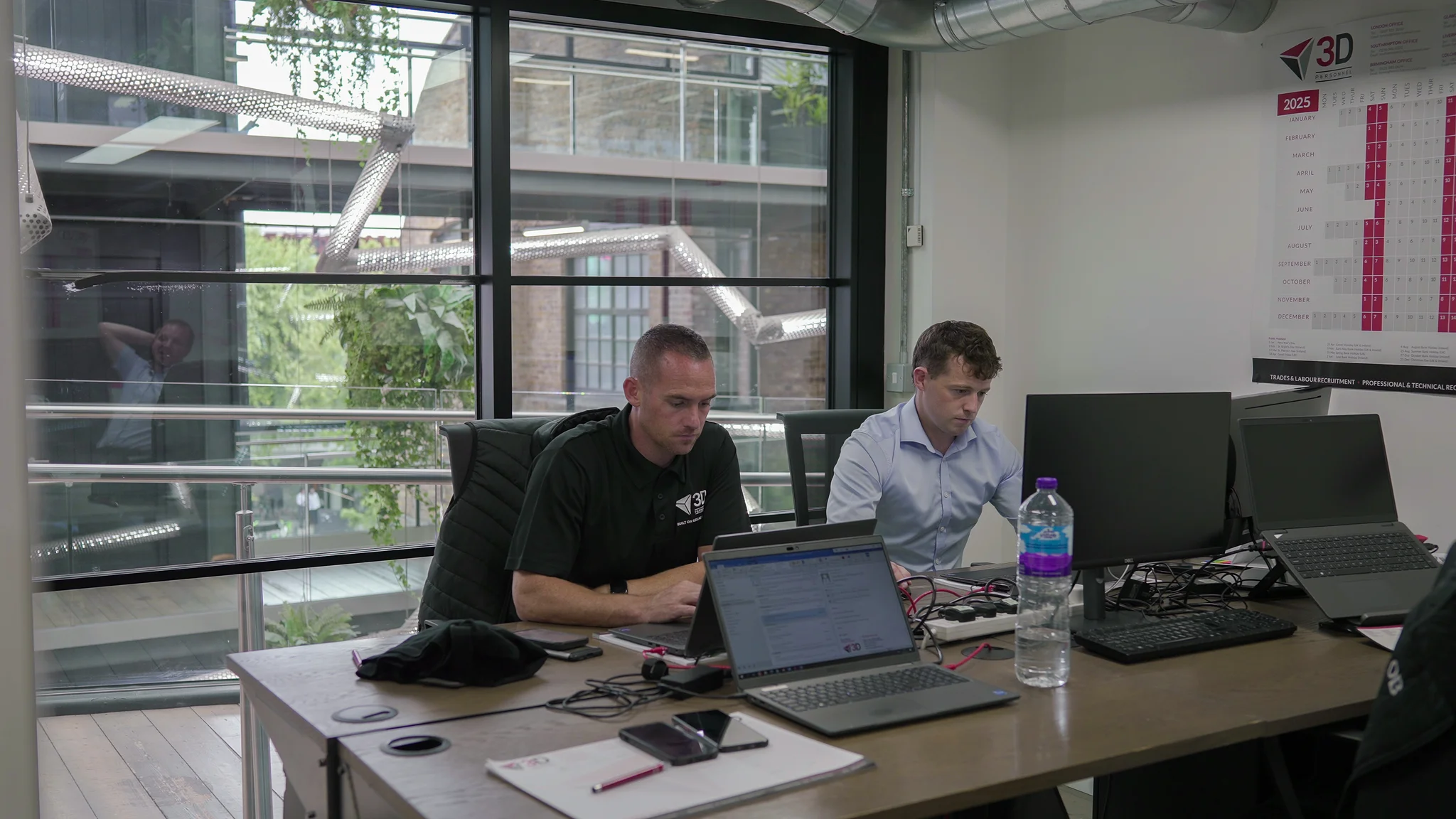

3D Team members in the London office

Reach out to the 3D Personnel Team

Our 3D teams will be happy to discuss the requirements for any given role, or to offer advice on your own construction journey. 


To check on a list of current construction jobs throughout Ireland, the UK, or Europe, click on the button below